

ContactBook a call

Industries/ Real estate

Every unit, every job and every certificate in one place, not five inboxes

We build the portals, websites, automation and site apps that agencies, letting and property managers, developers and facilities teams run on. Owners see what they are paying for, tenants know what is happening with their repair, and your office stops being the switchboard for everyone.

A letting agent in a blue suit hands a set of keys to a smiling couple in a sunlit flat with wooden floors, a mustard sofa and potted plants by a tall window.

Overview

Real estate, today

Property is a business of many small promises kept across many buildings. An agency juggles listings, viewings, offers and chains. A letting or property manager answers to landlords, tenants, contractors and regulators at once. Developers hand over whole schemes, each unit with its own snagging list and warranty paperwork, and facilities teams keep buildings safe, inspected and running. In most firms all of this still moves through phone calls, shared inboxes, messaging groups and a property management system that does part of the job well and the rest not at all.

That is where software fits. Not as a replacement for the property platform you already pay for, but around it: the portal where landlords see statements and certificates, the routine that turns a tenant's photo of a leak into a job with the right contractor, the site app that finishes the snagging report before the inspector leaves, the website that keeps listings current across the portals. Most of our property work connects existing systems and removes the retyping between them, with something new built only where nothing on the market fits how you operate.

Good looks like an office that is no longer the switchboard. Tenants report a problem once and can see where it stands. Landlords get statements and safety certificates without asking. Contractors see only their own jobs and close them with photographs. Managers know which properties have certificates expiring and which repairs are overdue, before anyone complains. And every record, from a deposit to a safety inspection, carries a dated history you can produce on the day somebody asks to see it, rather than reconstructing it from old emails.

The pressures

What you are up against

What agency owners, property managers and facilities leads tell us when we ask what a bad week looks like.

  1. 01

    The phone never stops ringing

    Tenants ring to report a repair, then ring again to ask when someone is coming. Landlords ring for statements. Contractors ring to arrange access. Most of those calls are questions our system could answer if anyone outside the office could see it, and each one pulls a negotiator or manager off real work.

  2. 02

    Repairs fall through the cracks

    Reports come in by phone, email, text and the portal, and someone has to judge urgency, find a contractor, tell the landlord and chase completion. On a busy Monday one slips, and a dripping tap becomes damp, a complaint and sometimes a legal deadline we did not know was running.

  3. 03

    Certificates live in someone's inbox

    Safety certificates, inspections, insurance and licences expire on different dates for every property, and we track them in a spreadsheet one person maintains. When an auditor, a lender or a solicitor asks for a document, we lose the afternoon reconstructing a history that should have been one click away.

  4. 04

    Our listings and systems disagree

    The management system, the website and the listing portals each show a slightly different version of the same property. A price updates in one place and not another, a let flat still appears available, and the feed our old supplier built fails quietly without anyone noticing until a landlord asks why.

What we build

Software for real estate

Six things property businesses most often ask us to build, from the shop window to the back office. Each card links to the service behind it.

Owner, tenant and contractor portals

One portal with separate, strictly limited views: owners see statements and certificates, tenants raise and track repairs with photographs, and contractors see only the jobs assigned to them and close each one off with evidence attached.

Read more

Maintenance requests that route themselves

Reports from every channel classified by trade and urgency, matched to an approved contractor, raised as a job and chased until closed. Anything that looks like a safety issue skips the automation entirely and goes straight to a named person.

Read more

Agency and development websites

Property search that works properly on a phone, listings kept in step with your management system and the major portals, valuation and viewing requests sent to the right branch, and scheme pages your team updates as plots sell.

Read more

Inspection and snagging apps

Check-ins, inventories, inspections and snagging done on a phone or tablet, with annotated photographs, signatures and defects assigned on the spot. It works without signal in a basement and issues the report before anyone leaves site.

Read more

Lease and document extraction

Leases, tenancy agreements, certificates and contractor invoices read automatically, with rents, key dates, break clauses and expiry dates pulled into your system and flagged for a person to check, instead of being typed in by hand from a PDF.

Read more

Portfolio and certificate dashboards

Occupancy, arrears, open repairs, contractor response and certificates coming due across the whole portfolio, current every morning, so managers see trouble building before a landlord or tenant has to point it out to them.

Read more

What changes

From how it runs now to how it could

How the everyday work of a property business runs today, and how it runs once the software is in place.

TodayWith the right software
Tenants phone to report a repair, then phone again to ask for an update.Tenants report once with photographs and follow the job's progress without calling the office.
A manager reads every request, picks a contractor and chases each job by phone.Routine requests are triaged and routed automatically, and only safety issues and exceptions need a person.
Certificate and inspection dates are tracked in one person's spreadsheet and memory.Every expiry date is held against the property, with reminders going out well before it lapses.
Landlords email for statements and wait while somebody exports and sends them.Landlords log in to see statements, invoices and certificates whenever they want them.
Snagging notes are written up in the evening from photos on someone's phone.The snagging report is complete, with dated photographs, before the inspector leaves the site.

In practice

What it looks like on the ground

Three worked examples from our service pages, each from a different corner of property: a portal shared by owners, tenants and contractors, a maintenance inbox that sorts itself, and an inspection finished before the van leaves.

Property & facilities management

01 · Property & facilities management

Landlords, tenants and contractors in one place

The problem
Three audiences with three different views of the same building (statements, maintenance requests, safety certificates, job progress), all currently handled by phone calls to a small office that is already at capacity.
What we build
One portal with strictly separated views: owners see statements and compliance certificates, tenants raise and track issues with photographs, contractors see only the jobs assigned to them and close them off with evidence attached.
What changes
Fewer phone calls, a documented history for every unit, and compliance paperwork that can be produced on demand instead of reconstructed under pressure.
More on customer portals

02 · Property management & lettings

Maintenance requests that route themselves

The problem
Tenants report faults by phone, email, WhatsApp and a portal. Someone reads each one, judges whether it is urgent, finds a contractor with the right trade and availability, raises the job, informs the landlord and chases for completion. Anything that slips through becomes a complaint with a statutory clock attached to it.
What we build
Reports from every channel are classified by trade and urgency, matched against an approved contractor list with the right certification and coverage, raised as a job with the tenant's photographs attached, and chased automatically until closed. Anything flagged as a safety issue skips the automation entirely and goes straight to a named person.
What changes
Faster response on the jobs that carry real risk, a complete audit trail per property, and evenings and weekends covered without anyone sitting beside an inbox.
More on workflow automation
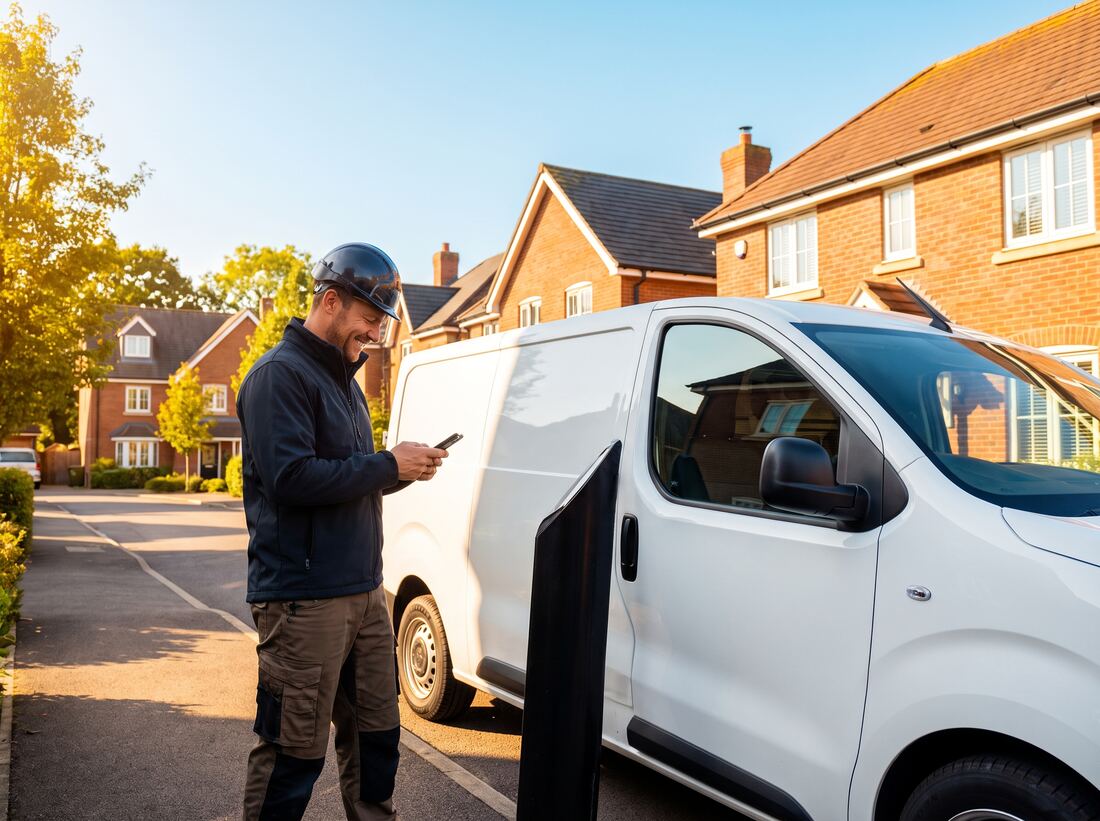
Construction & property maintenance

03 · Construction & property maintenance

Snagging lists that are finished before you leave site

The problem
Inspections are done on printed sheets and phone photos. The write-up happens that evening, the photos live in someone's camera roll, and the report reaches the client days later, by which time the trades who could have fixed the item have left.
What we build
A site app with your inspection templates, photos annotated and attached to the specific item, defects assigned to a trade on the spot, and the full report generated and issued before the inspector drives away. All of it works with no signal in a stairwell or a basement.
What changes
Reports go out the same day, every defect carries dated photographic evidence, and the gap between spotting a problem and someone being told about it closes from days to minutes.
More on staff & field apps

Handled with care

The details that matter here

Property software holds people's homes, money and safety records. These are the things we handle with particular care.

  • Tenant and owner data

    Tenancy files hold identity documents, references, bank details and sometimes health or vulnerability information. We build with GDPR and your local privacy rules in mind, limit each person's view to what their role needs, log access to sensitive records and work with your own data protection lead on how long anything is kept.

  • Rent, deposits and client money

    Anything touching rent, deposits or payments to landlords is built so the money and the records agree, with a clear audit trail and card details held by the payment provider rather than on your systems. Client money rules vary by country and scheme, so we design around your accountant's and compliance lead's requirements.

  • Safety issues reach a person

    Automation is useful for routine repairs and dangerous for gas, electrics, fire, flooding or a vulnerable tenant. We design every routing rule so anything that looks like a safety concern goes straight to a named person, with an escalation path out of hours, and is never left waiting for software to decide.

  • Records you can produce on demand

    Disputes, inspections and deposit claims are won or lost on evidence. We keep dated photographs, signed inventories, certificates and job histories attached to the right property and tenancy, stored where you choose and exportable in a form an adjudicator, an insurer or an auditor can read.

Good first projects

Where to start

Three contained first projects. Each is useful on its own and shows you how we work before you commit to anything larger.

Guides

Worth reading first

Questions

What real estate teams ask us

Will you replace our property management system?

Usually not, and we would be wary of anyone who leads with that. Your property management or agency platform holds tenancies, accounts and years of history, and your team knows it. Most of the pain sits around it: portals it does not offer, channels it does not read, reports it cannot produce. We connect to it, build what is missing and agree which system is the master for each piece of data, so you are never running two versions of the truth side by side.

Is an off-the-shelf tenant portal good enough?

Often it is. If your property management platform already includes a decent tenant and landlord portal, switching it on and configuring it properly will cost far less than anything we build, and we will tell you so. Custom work earns its place when you manage mixed portfolios, residential and commercial together, unusual service charges or contractor arrangements the product cannot express, or when you are stitching together several tools that each do part of the job and none of them talk to each other.

Can automation really handle repairs safely?

It can handle the routine safely if it is designed to step aside. Maintenance routing classifies reports by trade and urgency and raises jobs for the ordinary ones, but anything mentioning gas, electrics, water coming in, fire or a vulnerable tenant goes straight to a named person and is never left for the software to judge. You set the rules, you can see every decision it made, and any of them can be overridden by a member of your team.

Do you work with listing portals in different countries?

Yes. We build feeds and integrations with the major listing portals in the markets where you sell or let, and websites that handle several languages, currencies and measurement units from one place, including right-to-left scripts for Arabic-speaking markets. Each portal has its own data format and approval process, so we confirm access and requirements with you, and with the portal where needed, before anyone commits to a launch date.

Do you also work with developers and facilities teams?

We do. For developers that usually means sales websites for new schemes, reservation and buyer portals, and snagging and handover apps that produce a complete record for each unit. For facilities teams it means planned maintenance schedules, contractor and permit management, site inspection apps and dashboards across the estate. The principle is the same in each case: one record per building or unit, with every job, document and photograph attached to it.

Ready to take your office off switchboard duty?

Book a free first call. Tell us how a repair, a let or a handover moves through your business today, and we will tell you honestly where software would help and where it would not.