ContactBook a call

Industries/ Wholesale and B2B

Trade customers who order on their own, at their own prices

We build B2B ordering portals where each trade customer logs in, sees their own prices, minimums and credit terms, and reorders in a few taps instead of emailing your sales team. Orders land in your ERP or accounts package already checked, so nobody in the office has to retype them.

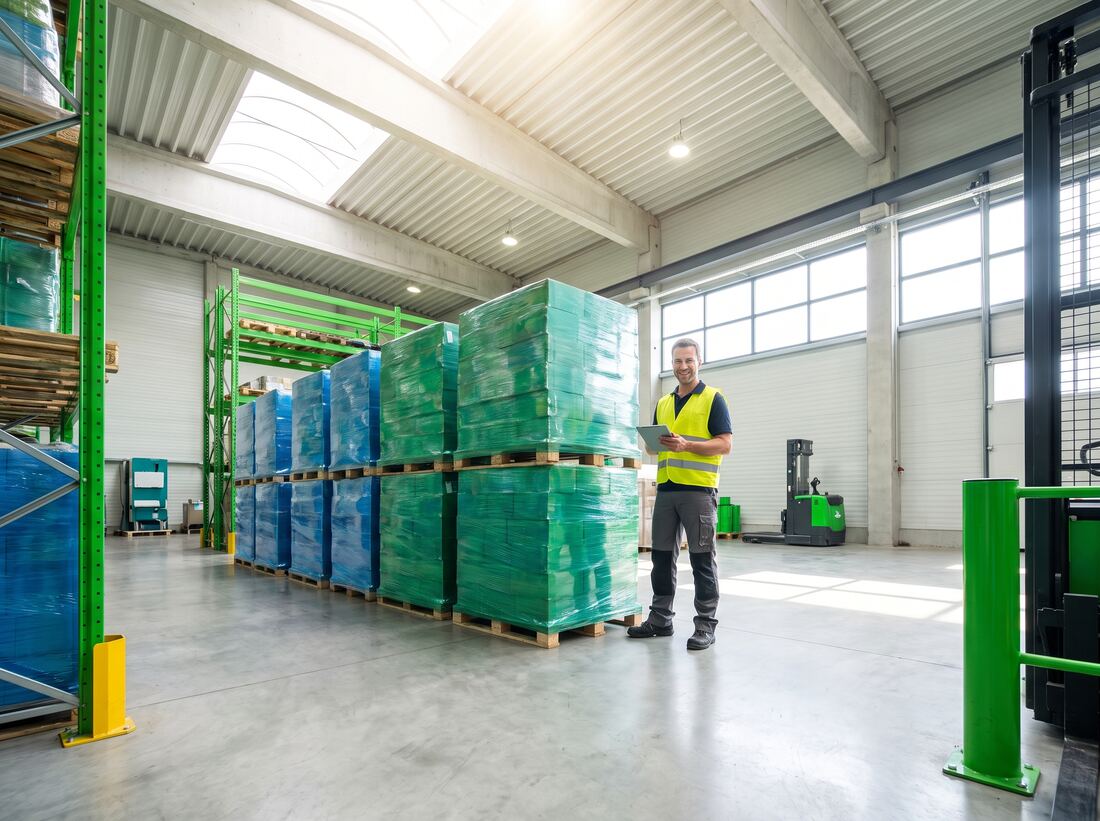
A smiling warehouse worker in a hi-vis vest holds a tablet beside shrink-wrapped pallets of stock in a bright, high-ceilinged warehouse with green racking.

Overview

Wholesale and B2B, today

Wholesale still runs on relationships, and that is its strength. Buyers know their rep, reps know their customers' habits, and prices reflect years of negotiation. But the way orders actually arrive has barely changed: emails with attachments, spreadsheets in each customer's own format, phone calls at the end of the day, the occasional photo of a handwritten list. Meanwhile the buyers themselves now order almost everything else in their lives online, at any hour, and increasingly expect to do the same with their suppliers.

The software that fits here is rarely a shop. Consumer e-commerce assumes one price for everyone, a card at checkout and a parcel to a house. Wholesale needs the opposite: a price that depends on who is logged in, minimum order quantities and pack sizes, credit terms and account limits, delivery days by route, and quotes where a price genuinely needs a person. Around the portal sit the jobs that make it work: reading the orders that still arrive by email, keeping price lists right, and getting every order into the ERP or accounts package cleanly.

Good looks like this. A buyer logs in before your office opens, sees their usual order at this week's prices, changes a couple of quantities and submits. The order passes your credit and stock checks, lands in the ERP and appears on the morning pick list without anyone touching it. Your reps spend their time on new accounts and awkward requests instead of typing. Price changes are made once and apply everywhere. And the customer who still prefers to email is handled too, because the portal is there for those who want it, not forced on everyone.

The pressures

What you are up against

Things wholesalers and distributors tell us, almost word for word, before we have asked a single question.

  1. 01

    Our reps are order-takers now

    Our sales team spends most of the morning typing in orders that customers emailed overnight. They are good at selling, and instead they are copying product codes out of PDFs. Every typo becomes a wrong delivery, a credit note and an awkward phone call, and nobody has time left to chase new accounts.

  2. 02

    Every customer pays something different

    We have contract prices, volume breaks, promotional deals and a few special arrangements that only one person really understands. The price list lives in a spreadsheet with far too many tabs. Customers sometimes get charged the wrong price, and we only find out when they query the invoice weeks later.

  3. 03

    Credit control happens too late

    Customers on stop keep ordering, because nobody checks the account before the order is picked. We find out when the invoice goes unpaid, or when the credit controller spots it at month end. By then the goods have gone out and we are chasing money we should never have been owed.

  4. 04

    Buyers want to order at night

    Our customers do their ordering when their own shop or kitchen closes, often late in the evening. They expect to see stock, prices and their order history the way they can on any website. Instead they leave a voicemail or send an email, then wait for us to confirm it in the morning.

What we build

Software for wholesale

Six things we build for wholesalers and distributors. The trade ordering portal is usually the centre, and the rest make it run without manual work behind the scenes.

Trade ordering portals

A logged-in store for trade buyers with account-specific price lists, minimum quantities, pack sizes, order pads and one-click reorder from history. Customers order when it suits them, and orders arrive already checked against price and credit rather than in an inbox.

Read more

Ordering apps for reps

Your field reps take orders on a tablet at the customer's premises, with live prices, stock and the account's history to hand. The app keeps working in a cellar or a basement with no signal and syncs as soon as it is back online.

Read more

Email and PDF order capture

For customers who will always email: orders read from emails, PDFs and spreadsheets, matched to the right account and product codes, checked against price and stock, then created automatically or held for a person when something does not match.

Read more

Pricing and quoting tools

Your pricing rules, from contract prices and volume breaks to promotions and approval thresholds, taken out of a fragile spreadsheet and turned into a tool anyone on the team can use, with a full history of what was quoted to whom.

Read more

ERP and accounts integration

Orders, customers, prices and stock flowing between the portal and your ERP, warehouse system or accounts package, with one agreed system in charge of each piece of data. Nothing is retyped, and a failed sync alerts someone instead of vanishing.

Read more

Demand forecasts and reorder alerts

Forecasts by product line that account for seasonality, promotions and supplier lead times, with reorder points and alerts when a line starts selling faster or slower than expected, so buying decisions start from a tested number rather than last year's gut feel.

Read more

What changes

From how it runs now to how it could

Five everyday pieces of wholesale work, as they usually run today and as they run once the portal and its plumbing are in place.

TodayWith the right software
Customers email orders overnight, and the sales team retypes them the next morning.Customers order in the portal at any hour, and orders reach the ERP already checked.
The price a customer pays depends on which spreadsheet tab someone happened to open.Each account sees its own contract prices and volume breaks, maintained once and applied everywhere.
Accounts on stop keep ordering until the credit controller notices at month end.Credit limits and overdue balances are checked as each order is placed, with holds flagged straight away.
Buyers phone the office for copies of invoices, statements and proof of delivery.Buyers download their own invoices, statements and delivery records whenever they need them.
Quotes take a day because only the commercial manager understands the pricing workbook.Anyone on the team produces an accurate quote from encoded rules, with approval for unusual margins.

In practice

What it looks like on the ground

Three wholesale examples from our service pages: the trade portal itself, the orders that still arrive by email, and the pricing knowledge that used to live in one person's head.

01 · B2B & wholesale

The customers who must not see the same price

The problem
Trade buyers need account-specific pricing, minimum order quantities, credit terms and fast reordering. Consumer platforms handle none of that well, so orders arrive by email and somebody retypes them into the system.
What we build
A logged-in trade store with per-account price lists, order pads and one-click reorder from history, quote requests where a price genuinely needs a human, and orders flowing straight into your ERP or accounts package.
What changes
Your reps stop being an order-entry service, buyers can place an order at six in the morning without waiting for a callback, and the retyping errors disappear along with the retyping.

More on online stores
Wholesale & distribution

02 · Wholesale & distribution

Orders that stop being retyped

The problem
Customers order by email, attached PDF, spreadsheet and occasionally a scanned fax, each in their own format. Every one is retyped into the order system, and every typo becomes a wrong delivery, a credit note and a phone call. Month-end reconciliation between orders, the warehouse and the accounts is a manual joining exercise.
What we build
Incoming orders are read whatever their format, matched to the right customer and product codes, checked against stock and the current price list, and either created automatically or held for a person when something does not reconcile. Confirmations, picking notes and invoices flow out without being asked for.
What changes
Orders enter the system within minutes rather than at the end of the day, mismatches are caught before the lorry is loaded, and the office stops being the bottleneck between a customer and a delivery.
More on workflow automation
Wholesale & distribution

03 · Wholesale & distribution

Quoting that stopped depending on one person

The problem
Prices depend on customer, volume, contract and current cost, so quoting lives in a workbook only the commercial manager fully understands. Quotes take a day, mistakes are expensive, and nobody can cover the role during a holiday.
What we build
A quoting tool with the pricing rules encoded and testable, approval thresholds for anything unusual, a full history of what was quoted to whom, and a generated document that goes straight to the customer.
What changes
Quotes go out in minutes from anyone on the team, the pricing logic is documented rather than remembered, and margin errors surface before the quote leaves rather than after the invoice.
More on internal tools

Handled with care

The details that matter here

A trade portal touches money, credit and the relationships your reps have spent years building. These are the things we handle with particular care.

  • Account pricing kept private

    Showing one customer another customer's price is the fastest way to damage a relationship. We test pricing account by account before launch, logging in as real customer types, and build the rules so a price can only ever be shown to the account it belongs to. Every price list change is logged with who made it.

  • Your ERP stays in charge

    Most wholesalers already have an ERP or accounts package that holds the truth about customers, stock and invoices. We integrate with it rather than replace it, agree which system owns each piece of data, and make sure a failed sync raises an alert and parks the order safely instead of losing it.

  • Credit terms and payment

    Trade customers mostly buy on account, so the portal checks credit limits and overdue balances as orders are placed, and holds rather than rejects where a person should decide. Where you also take card payment, card details go straight to the payment provider, and we build with PCI DSS requirements in mind.

  • Bringing customers across gently

    Some buyers will switch overnight; others have ordered by phone for years and will keep doing so. We plan the rollout with your sales team, start with willing accounts, keep phone and email orders flowing into the same system, and make the first login as simple as following a link.

Good first projects

Where to start

You do not need to build everything at once. Each of these is useful on its own and makes the next step easier.

Guides

Worth reading first

Questions

What wholesale teams ask us

Can Shopify or our existing platform handle B2B ordering?

Sometimes, and if it can we will tell you. Shopify and similar platforms have added genuine wholesale features: company accounts, customer-specific price lists, payment terms and quantity rules, though what you get depends on the plan you are on. If your pricing fits a few simple tiers and ordering is straightforward, the platform's B2B features may be the cheapest sensible answer, and we would set them up rather than build. A portal built for you earns its place when prices depend on contracts, volume breaks and one-off deals, when credit checks must run against your ERP, or when app bills and fees outgrow your own portal.

Will our customers actually use a portal?

Many will, some never will, and both are fine. Buyers who order often and outside office hours tend to adopt a portal quickly, especially when reordering from history saves them typing out their usual list. Others have ordered by phone for years and value the conversation. We plan for both: the portal for those who want it, phone and email orders still flowing into the same system for those who do not, and your reps encouraging the switch where it genuinely helps the customer. Adoption is built account by account, not announced in a newsletter.

Nearly every customer has a different price. Can a portal handle that?

Yes, and it is the main reason wholesalers need something built for them rather than a consumer shop. Contract prices, volume breaks, customer groups, promotions and one-off agreements can all be written as rules, with a clear order of precedence when more than one applies. The hard part is not the software. It is writing down the rules that currently live in a spreadsheet and someone's head. We do that with you early, test every rule against real accounts, and usually find a few contradictions worth fixing along the way.

Does it connect to our ERP or accounting system?

Almost always, and we would rather connect than replace. Most systems wholesalers use, whether Sage, Xero and QuickBooks or larger ERPs such as NetSuite, Business Central and SAP Business One, offer some way to exchange customers, prices, stock and orders. Where an older system has no proper interface, scheduled exports and imports usually do the job. We agree up front which system is in charge of each piece of data. And if the ERP itself turns out to be the real problem, we will say so plainly rather than hide it behind a new portal.

Can customers pay by card as well as on account?

Yes. Most trade customers buy on account, so the portal checks their credit limit and any overdue balance as they order, and holds orders that need a person's judgement rather than rejecting them outright. New or occasional customers can pay by card, and some wholesalers ask for card payment until an account is approved. Card details go straight from the buyer's browser to the payment provider, never through your systems. Invoices, statements and payment status sit in the customer's account, which tends to cut the chasing calls in both directions.

Let's get your reps out of order entry

Book a free first call and tell us how orders reach you today, from every channel. We will show you where a portal would save the most time, and whether your current platform can already do some of it.